
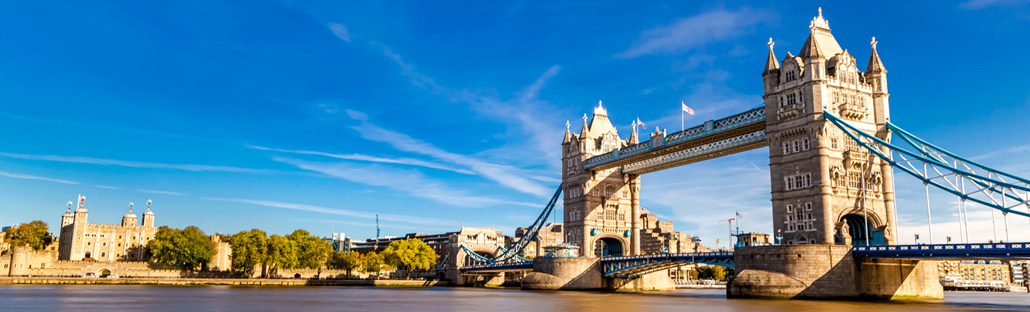
London, bolstered by its top rankings across all three pillars of Livability (#3), Lovability (#2) and Prosperity (#1), retained its #1 overall ranking for an incredible 11th consecutive year. New York secured the #2 spot with its ongoing investment in its cultural economy, massive urban infrastructure projects, and global infatuation despite current politics. Paris rounded out the Top 3, thriving as a future-focused urban lab amidst its ancient canvas.
Resonance’s World’s Best Cities 2026 report combines global user-generated data, core statistical performance, and new proprietary research, including a landmark Ipsos survey of more than 21,000 respondents across 30 countries to create the world’s most comprehensive city ranking.
“For leaders shaping tomorrow’s urban landscape – whether through capital allocation, location strategy, infrastructure development, or destination marketing – this report offers more than rankings,” said Chris Fair, President & CEO of Resonance Consultancy. “It provides strategic intelligence, risk assessment, and a roadmap to the cities and opportunities defining the next decade of global growth.”
Laura Citron OBE, CEO of London & Partners, said: “London is a city of constant reinvention: it is this remarkable commitment to ongoing growth that has seen us retain our crown as the World’s Best City. In 2025 we launched a 10-year plan for growth in the capital and celebrated a number of wins: record-breaking London-based scaleups going global, growing visitor numbers and almost 10 billion pounds planned investment in our experience economy over the next decade.
There are many things that make London the greatest city in the world – its diversity, uniqueness, innovation and talent – to name a few. Over the next ten years, London will continue to grow and transform into an even more prosperous, fairer and greener city.”
The Top 10 World's Best Cities for 2026 are:
1. London
2. New York
3. Paris
4. Tokyo
5. Madrid
6. Singapore
7. Rome
8. Dubai
9. Berlin
10. Barcelona
Full profiles of all Top 100 cities are available here.
The 2026 World’s Best Cities report and ranking arrive at a pivotal moment:
● American cities are navigating converging headwinds – accelerating climate impacts, AI’s rapid adoption, infrastructure strain, and a “globalism fractures” era – that are reshaping capital, talent flows, and brand perception.
● Urban wildfires, extreme heat, water scarcity, and energy-transition demands are no longer outliers but core criteria for development, risk management, and site selection.
● International travel is rebounding unevenly. The Asia-Pacific region is surging while desire to visit U.S. destinations has softened, with inbound visits from markets like China, Japan, and the U.K. still trailing 2019 benchmarks in many gateway cities.
● Despite challenges, leading cities are hardening climate resilience, reshoring advanced manufacturing, deepening university–industry R&D (especially in AI and clean tech), investing in multimodal connectivity, and programming magnetic cultural districts – while tracking ecosystem dynamism, digital engagement, and climate risk more rigorously.
“With perceptions polarized – immigration anxieties rising, nostalgia growing, and backlash against ‘Brand America’ – U.S. cities must close the perception–performance gap,” said Jason McGrath, EVP and Head of U.S. Corporate Reputation at Ipsos, the Best Cities research partner. “The planet’s top cities will win by proving safety, livability, and opportunity on the ground – and communicating that proof clearly to residents and visitors.”
How the ranking was built:
The Place Power™ Score, Resonance’s proprietary methodology, evaluated each city’s performance and perception across three core pillars:
● Livability (walkability, nature and parks, public transit, air quality, etc.)
● Lovability (culture, nightlife, dining, attractions, social media engagement, etc.)
● Prosperity (economic strength, labor force participation, educational attainment, airport connectivity, etc.)
This year's index reflects fresh realities, including climate resilience, reshoring of critical industries, new mobility patterns, and global perception that drives travel and investment behaviors across the planet.